
Premium polyurethane grips stand out in the high-end golf accessory market for stable hardness, anti-oxidation performance and consistent touch throughout the service cycle. Even with superior material properties, long-term exposure to sweat, UV sunlight, course sand and rainwater will gradually damage surface textures and molecular structures. Standardized daily maintenance has become a necessary routine for golf shop operators, club fitters and individual golfers to reduce replacement frequency and maintain consistent putting feel.
Industry laboratory wear testing records show that premium PU grips without regular cleaning will accumulate salt residues from sweat in texture grooves after 20–30 rounds of play. These crystalline residues continuously corrode the cross-linked PU molecular layer, causing local hardening, fading anti-slip grain and uneven hand feel. For wholesale distributors supplying resort pro shops and high-end fitting studios, recommending standardized daily grip care to retail clients effectively lowers return rates caused by premature grip aging.
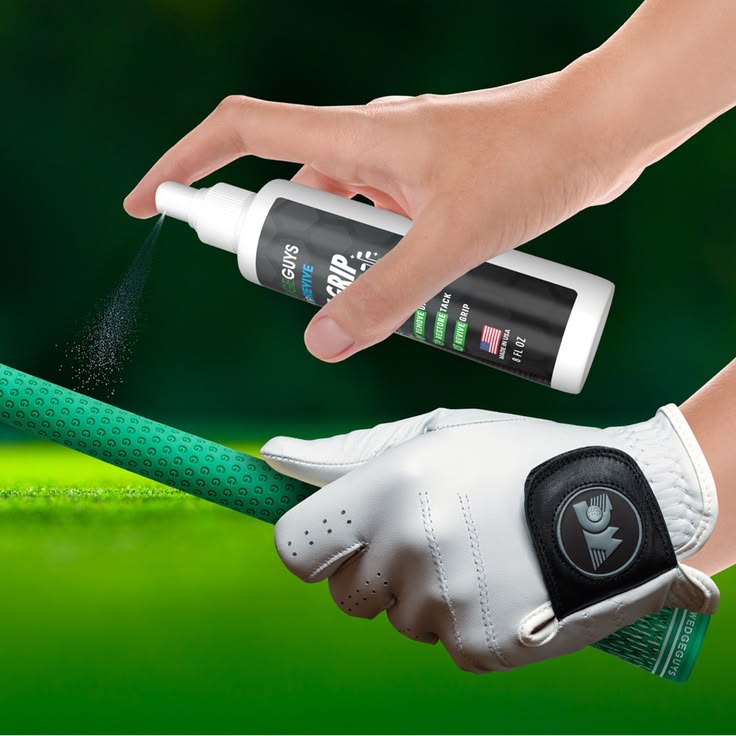
The core daily maintenance workflow splits into three low-threshold steps, without the need for special chemical cleaners that risk damaging PU surfaces. First, post-round surface dust and sand removal: wipe the grip surface with a damp microfiber towel to clear sand, grass mud and surface sweat before residues dry and solidify. Abrasive scrub brushes and rough cotton rags are not recommended, as they scratch delicate hybrid zoning textures on premium putter grips.
Second, weekly deep residue cleaning: mix neutral, non-alkaline mild soap with room-temperature water, soak the towel and gently rub along the direction of surface grain patterns. Alkaline dish soap, bleach and solvent cleaners break down PU polymer chains, accelerating surface glossing and loss of friction performance. After wiping off soap foam, wipe again with clean damp cloth to eliminate residual soap components, then place the club in a well-ventilated shaded area to air dry naturally. Direct exposure to strong sunlight or high-temperature storage lockers leads to rapid thermal aging of PU materials.
Third, long-term idle storage maintenance: for golf clubs that will not be used for more than two weeks, fully clean and dry the grip first, then store in cool, low-humidity indoor space. Do not leave golf bags inside hot car trunks for extended periods, as high temperature and closed humid environment speed up oxidation of PU grip base materials.
From the perspective of retail operation, grip maintenance education also creates extra customer stickiness. Many amateur golfers mistakenly use alcohol or strong detergents to clean grips, leading to premature failure of premium PU products. Professional fitters who share standardized daily maintenance guidance with buyers build more trusted long-term cooperative relationships with amateur and professional golf clients.