
The global golf grip aftermarket is undergoing quiet but meaningful changes in 2026, driven by evolving material technologies, shifting golfer habits, and smarter inventory planning across international wholesale markets. As a core consumable component for every golf club, grip performance directly influences overall club feel and on-course stability. For a long time, basic rubber grips dominated entry-level club sales, offering low-cost alternative options for casual players. Today, however, the market is steadily leaning toward high-performance polymer materials that deliver far better tactile consistency and longer usable lifespans.
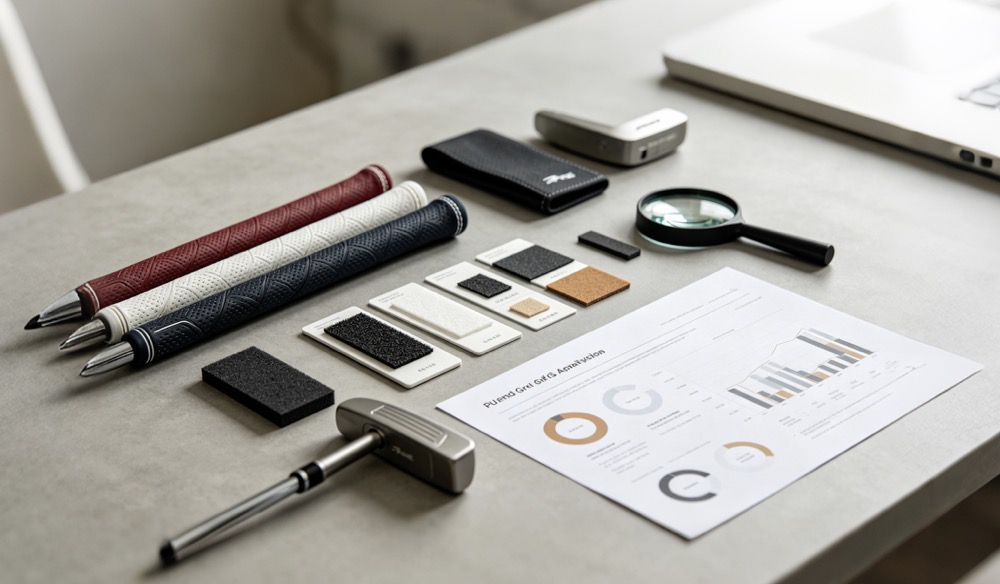
On-the-ground retail data reveals a clear shift in consumer priorities. More than 60% of mid to high-handicap golfers now prioritize durable, consistent grip performance over bargain pricing. Amateur players are increasingly tech-savvy when it comes to equipment, understanding that grips are not just disposable accessories. Instead, they directly impact stroke stability, putting precision, and overall on-course consistency.
Sustainable material adoption stands out as one of the biggest 2026 golf grip market trends. Major retail chains and established golf brands are actively phasing out conventional rubber compounds that degrade quickly and carry a higher environmental footprint. Cross-linked PU formulations have emerged as a viable upgrade, boasting stable molecular structures, lower long-term waste, and full compliance with modern Western retail environmental standards.
Sustainable material adoption stands out as one of the biggest 2026 golf grip market trends. Major retail chains and established golf brands are actively phasing out conventional rubber compounds that degrade quickly and carry a higher environmental footprint. Cross-linked PU formulations have emerged as a viable upgrade, boasting stable molecular structures, lower long-term waste, and full compliance with modern Western retail environmental standards.